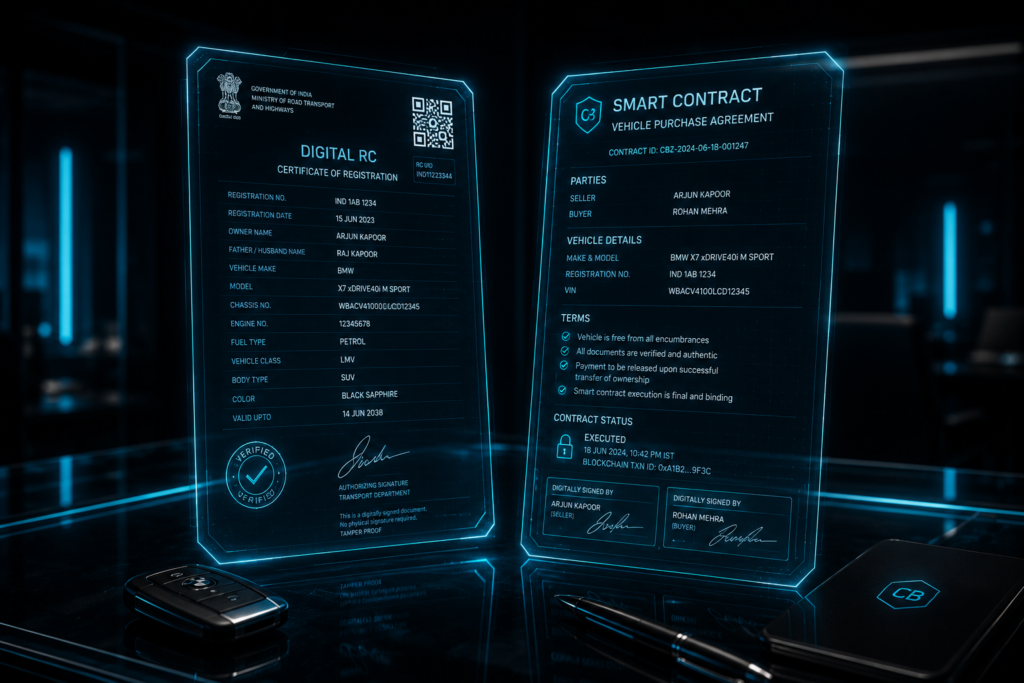
The final hurdle in any automotive transaction is the legal transfer of ownership, and mishandling the paperwork can lead to severe liabilities for both the buyer and the seller. A premium transaction experience should be entirely frictionless, which requires gathering and verifying all necessary documentation well before money changes hands. The foundational document is the Registration Certificate (RC). The buyer must meticulously verify that the chassis number and engine number stamped on the vehicle’s metal frame perfectly match the alphanumeric strings printed on the RC. Even a single digit discrepancy will halt the RTO (Regional Transport Office) transfer process entirely.
Next, address the financial status of the vehicle. If the car was purchased with a loan, the RC will reflect a “Hypothecation” to a specific bank. The seller must completely clear this loan and obtain a No Objection Certificate (NOC) and Form 35 from the financing bank. Without these documents, the RTO will not remove the hypothecation, and the car cannot be legally transferred to a new owner. Insurance is another critical component. Ensure the vehicle has a valid comprehensive insurance policy. The buyer must apply to the insurance company to transfer the policy into their name within 14 days of the RC transfer; otherwise, any claims made during the transition period will be outright rejected by the insurer.
If the vehicle is being sold to an individual residing in a different state, the seller must procure an inter-state NOC from their local RTO, a process that can take several weeks and must be factored into the sale timeline. The actual transfer of ownership requires both parties to correctly fill out and sign Form 29 (Notice of transfer of ownership) and Form 30 (Report of transfer of ownership). As a seller, your responsibility does not end when you hand over the keys. You must physically ensure that the buyer submits these forms to the RTO. Until the new RC is generated in the buyer’s name, you remain legally liable for any accidents, traffic violations, or criminal activities involving that vehicle. Lastly, do not forget to permanently deactivate or remove your FASTag from the windshield to prevent toll charges from being deducted from your account after the sale.